The structure and functions of cells, the basic unit of life
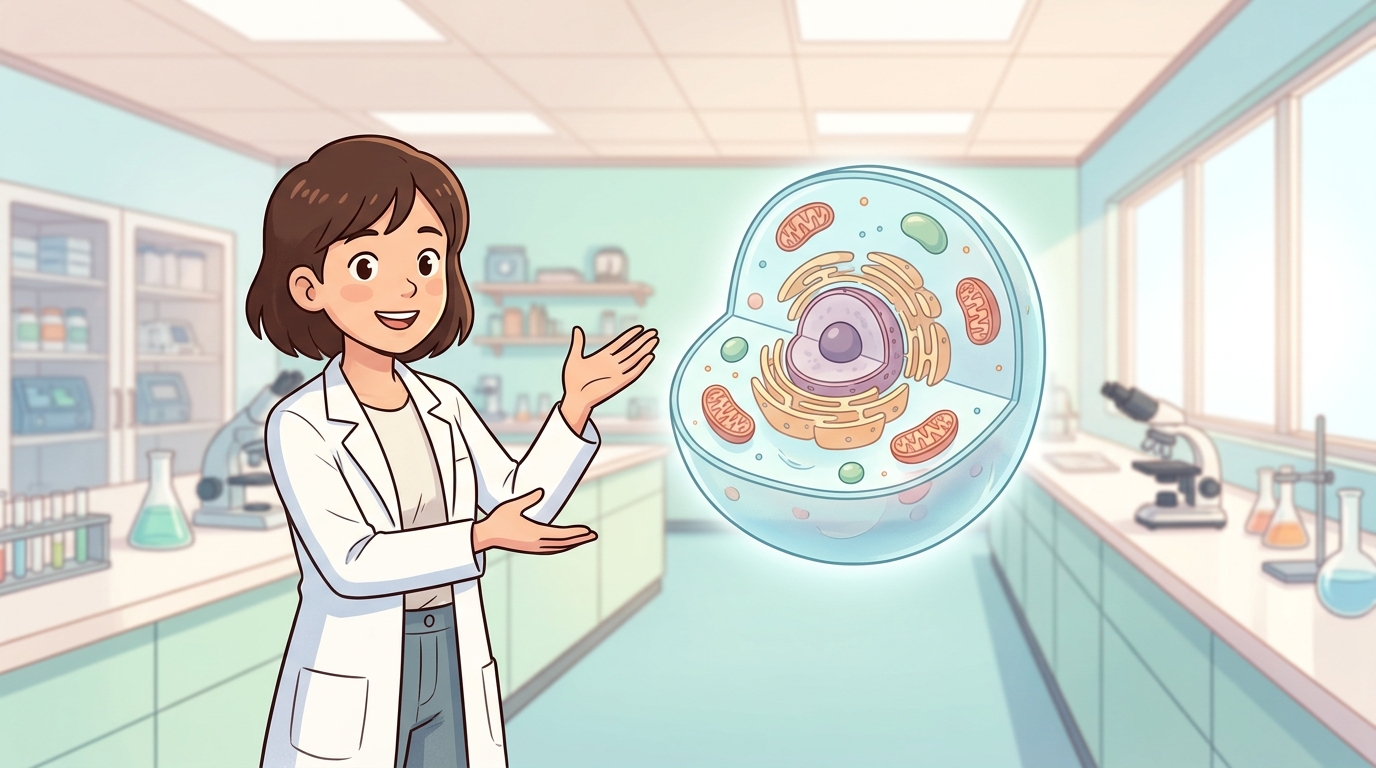
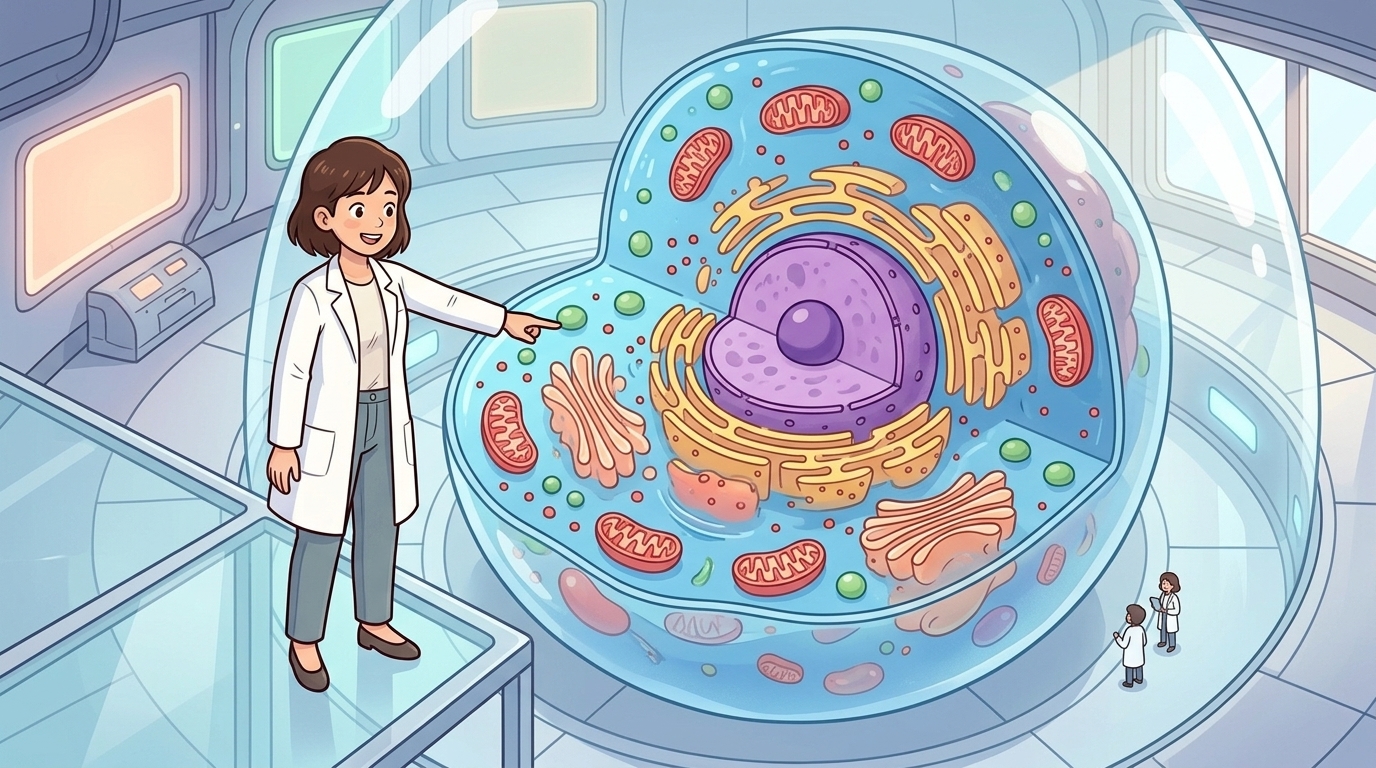
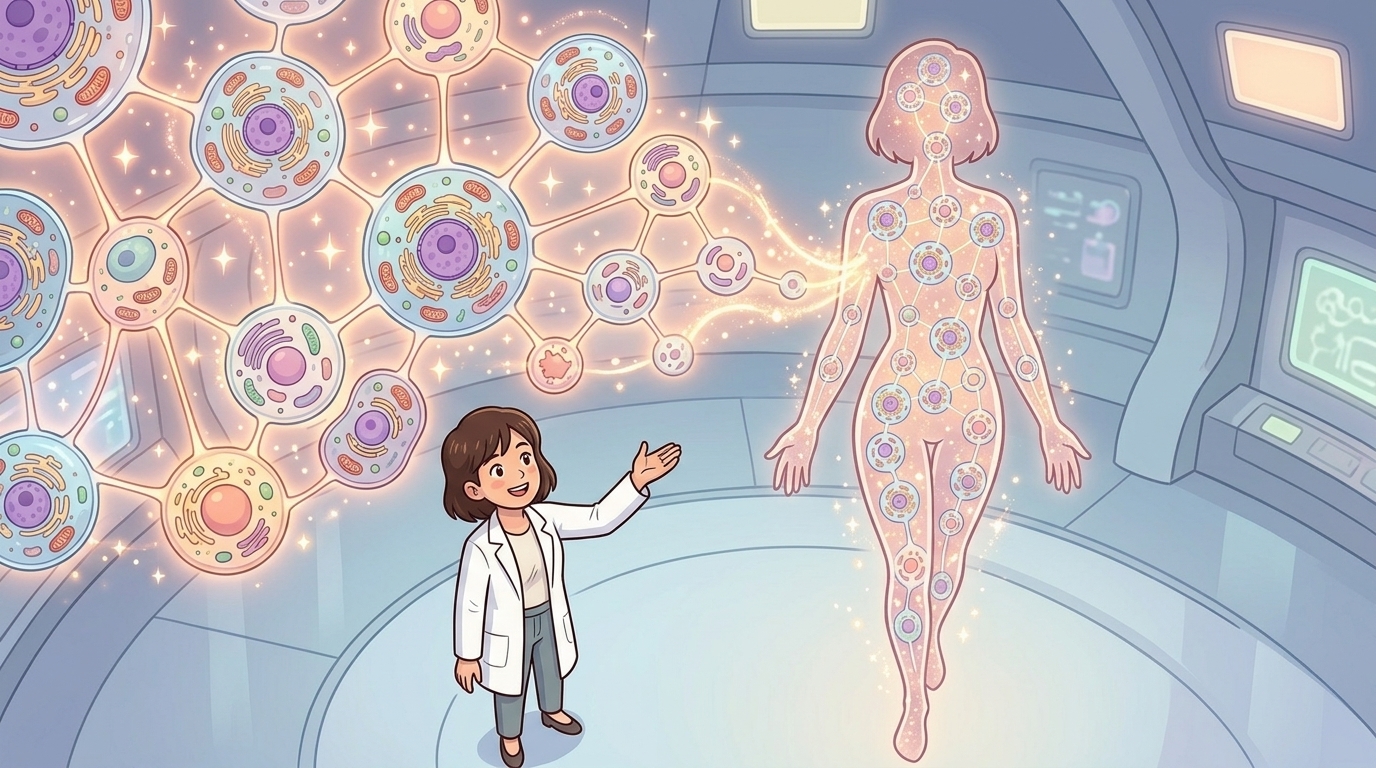
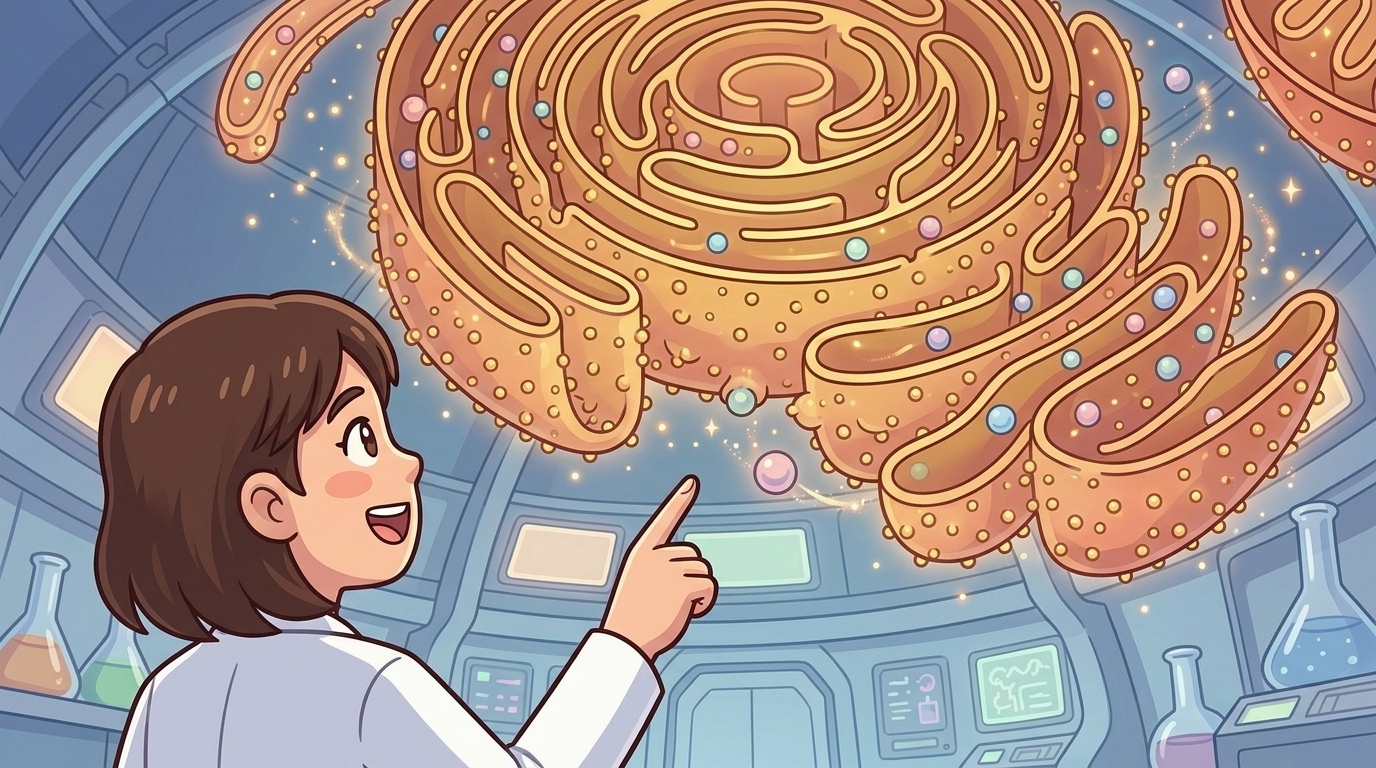
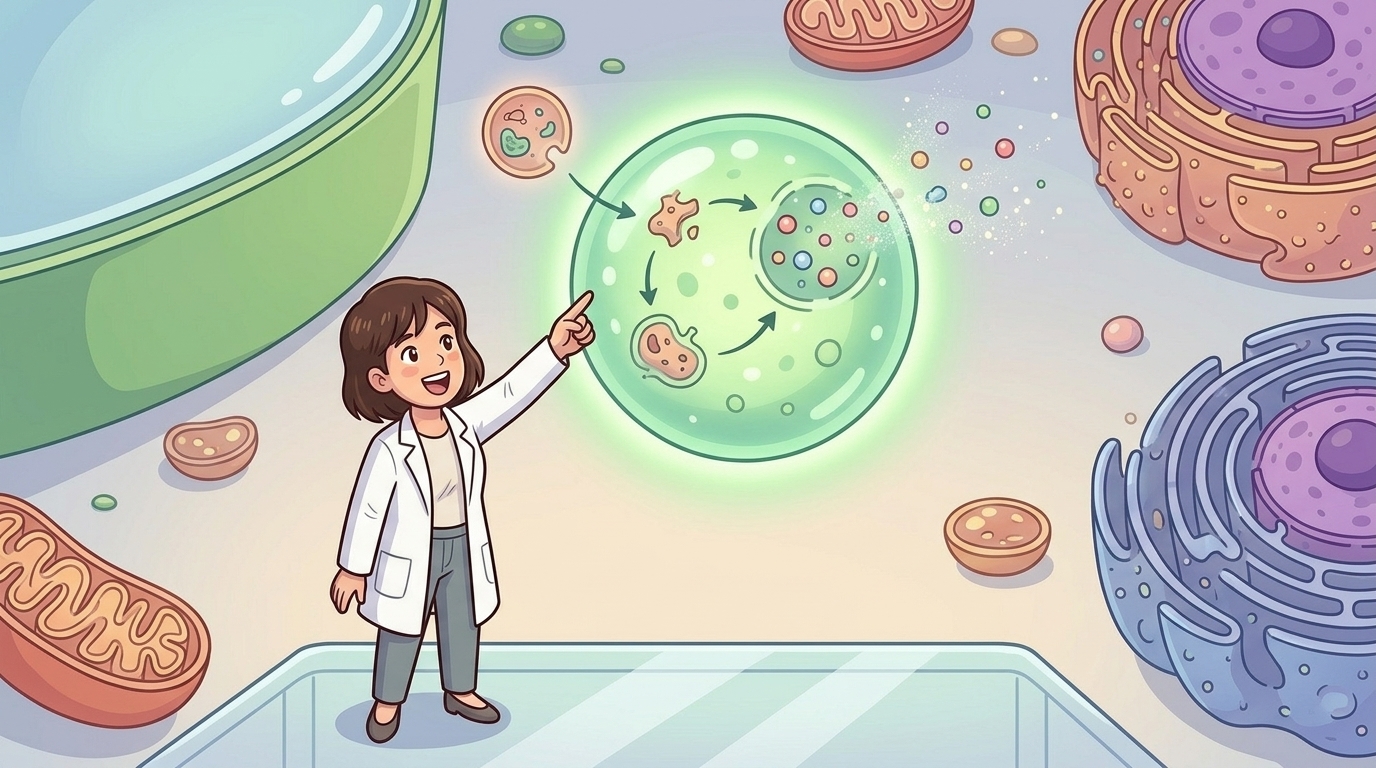
Shall we embark on a journey into the mysterious world of the "cell," the smallest basic unit of life that makes up our bodies?A cell consists of a cell membrane enclosing the "nucleus," which directs life activities, and the "cytoplasm," filled with organelles performing various tasks.In particular, the cell's power plant, "mitochondria," is busy working to combine nutrients with oxygen to generate the energy we need to move and breathe.Because these countless cells constantly work and cooperate in their respective places, we are able to live healthily every day.Following the instructions of DNA, the cell's blueprint, the "ribosome" swiftly produces the proteins our body needs, while the "endoplasmic reticulum," the transport pathway, stays busy moving them.Finally, we cannot forget "lysosomes," the cell's housekeepers, which clean things up by breaking down waste and worn-out organelles inside the cell.▶ Read interactively